My first win came froma pill box.
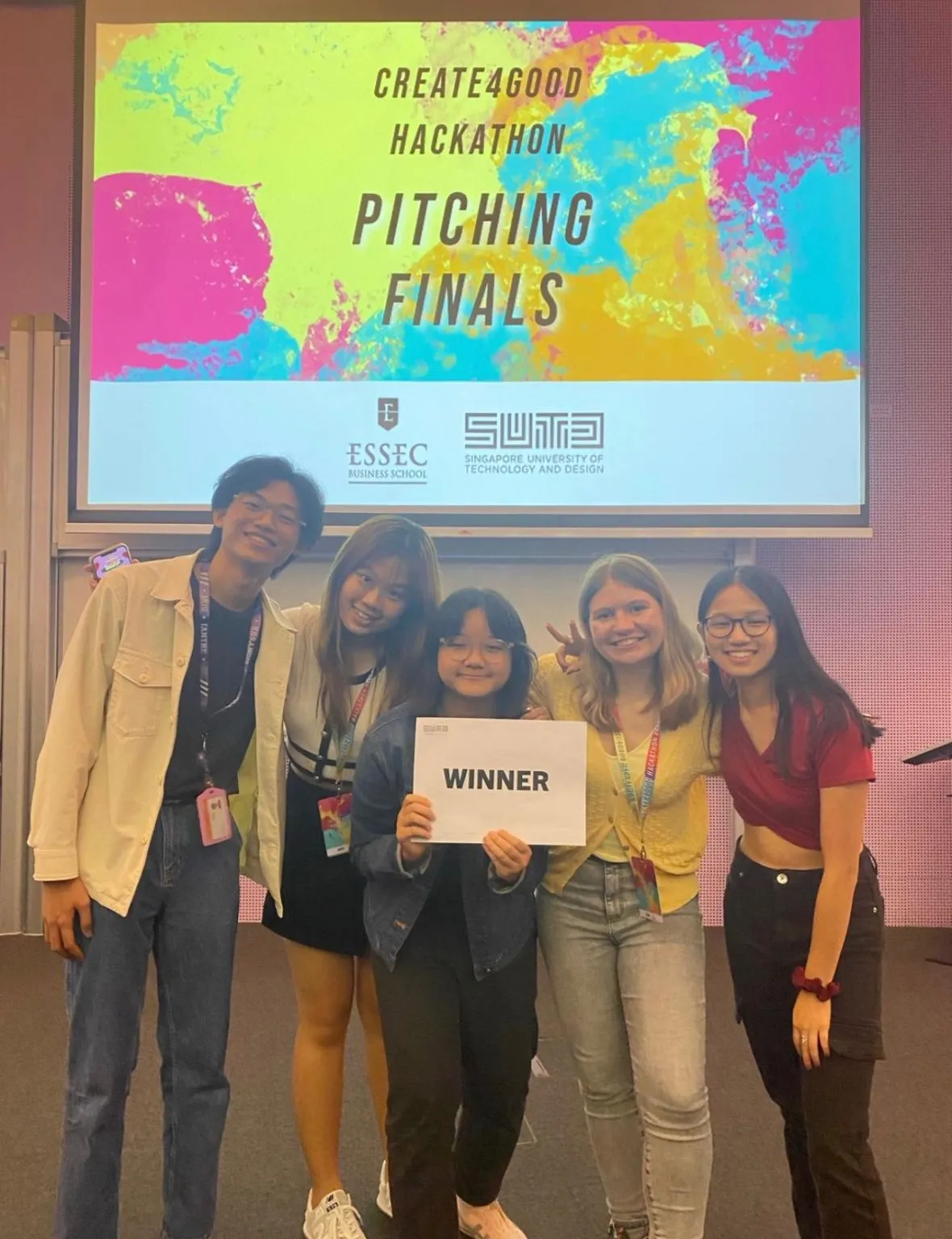
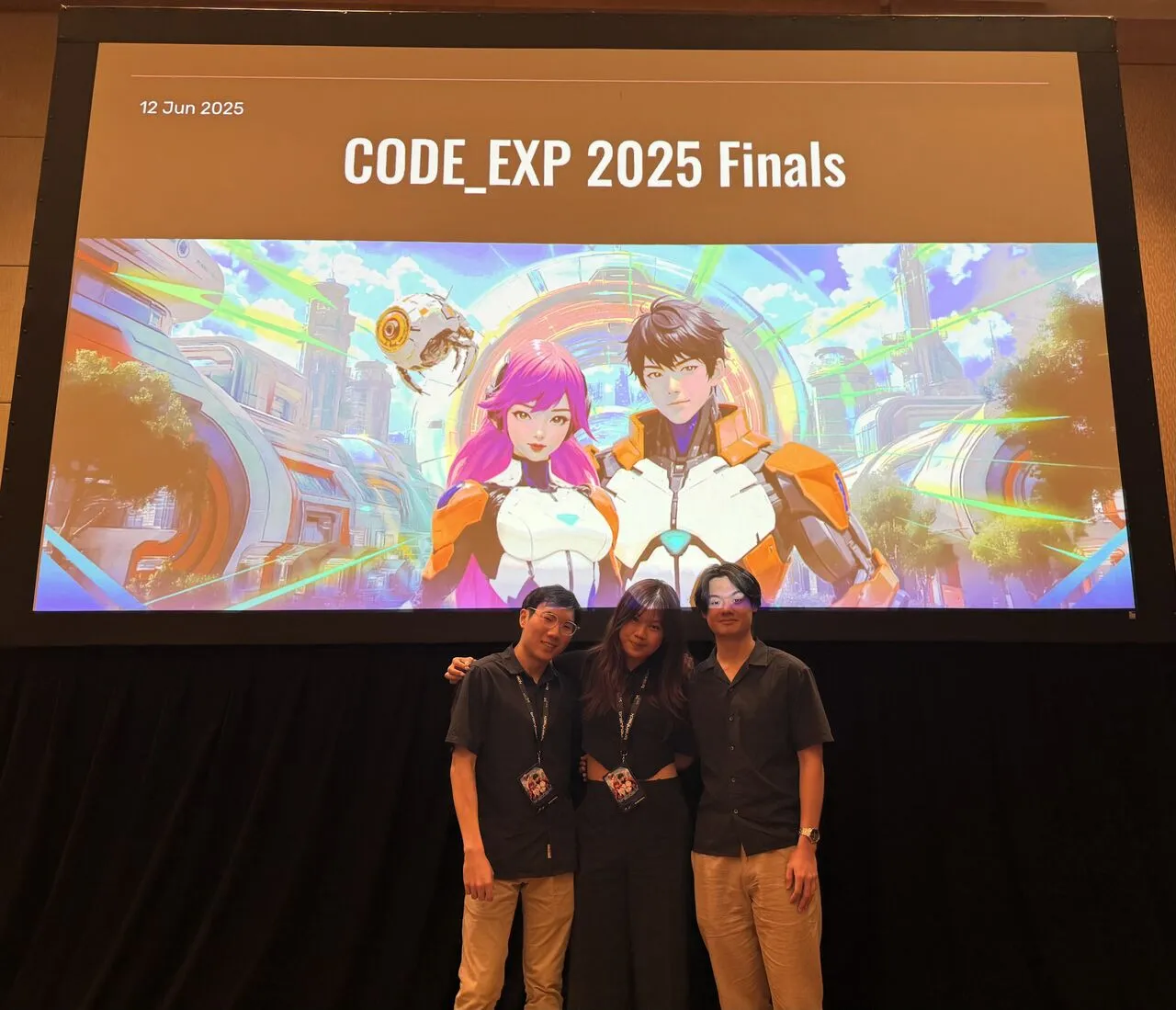
I'd seen first-hand what dementia does to a family, so in my first hackathon I wanted to build something for people in its early stages, while independence is still possible. My team was tireless about talking to the actual people: we went to elderly care centres, sat with residents and their carers, and kept hearing that it so often comes down to whether a pill was taken. That became LightBox — a smart pill box and a full-stack app that lets a family see it — built end to end in two days. I represented the team on stage, pitching to an auditorium of engineers, judges and professors, and we won first place against teams from France and Madagascar.
And then,another first place.
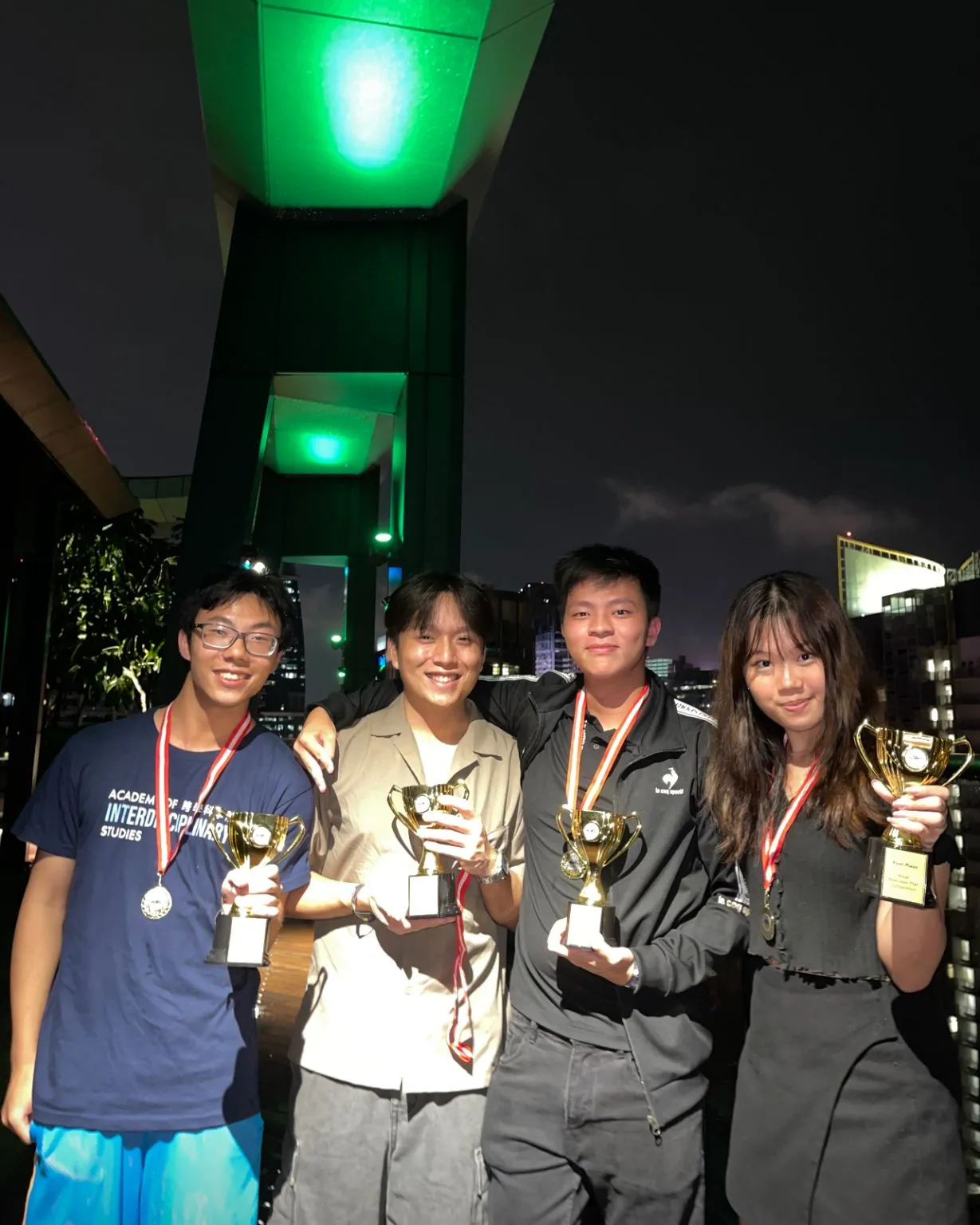
Curiosity, and the itch to build again, brought me to the Asian Business Plan Competition four months later — up against teams from NUS, HKUST and NTHU, some of the strongest universities in Asia, in front of regional judges and VCs. What made it different was who I was building with: people from science, technology and finance, each fluent in something the others weren't. As team lead, I turned a rough idea for car-sharing fleets into something the finance side could cost, the hardware side could build, and I could ship as the working system behind the pitch. I presented it to leading companies and the judging panel. We won first place, and my teammates voted me MVP — the recognition I'm proudest of, because it came from the people I'd worked with.
Winning showed mewho wasn't in the room.
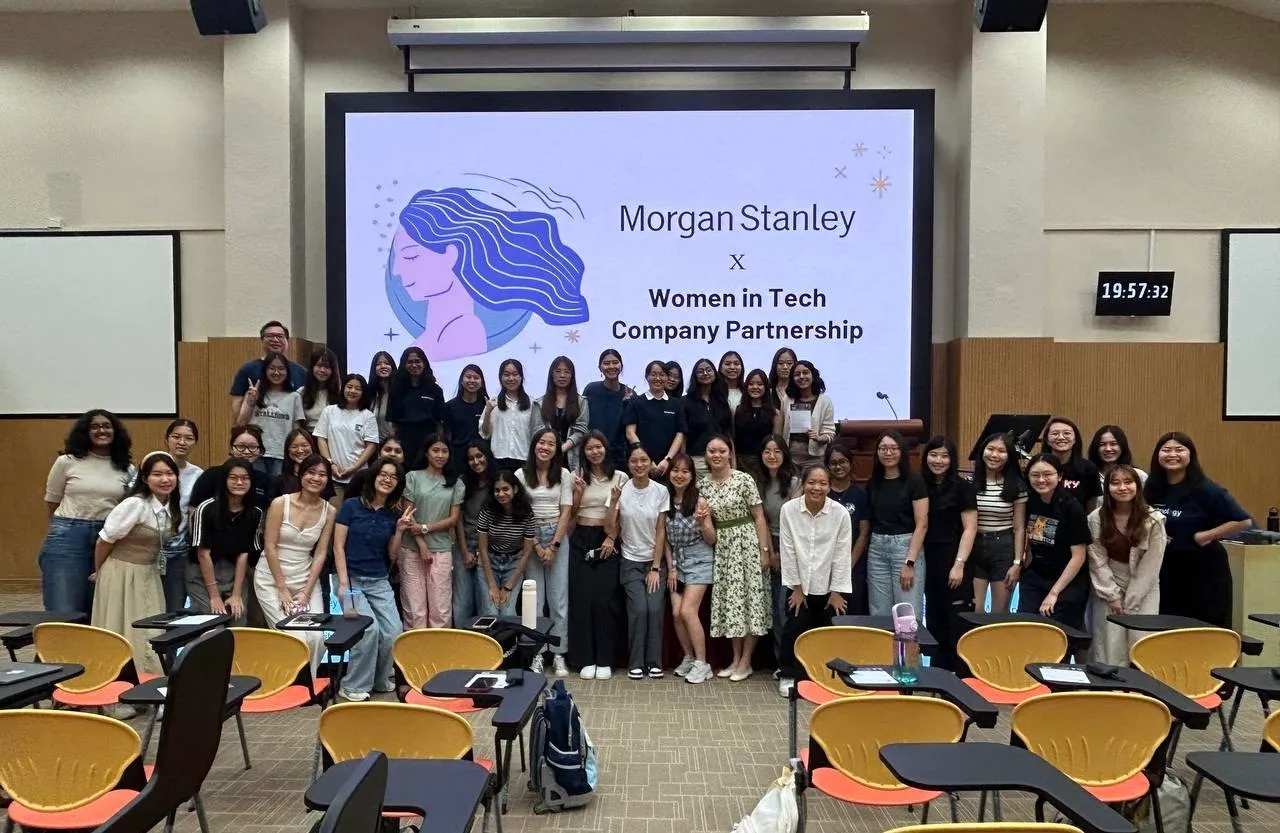
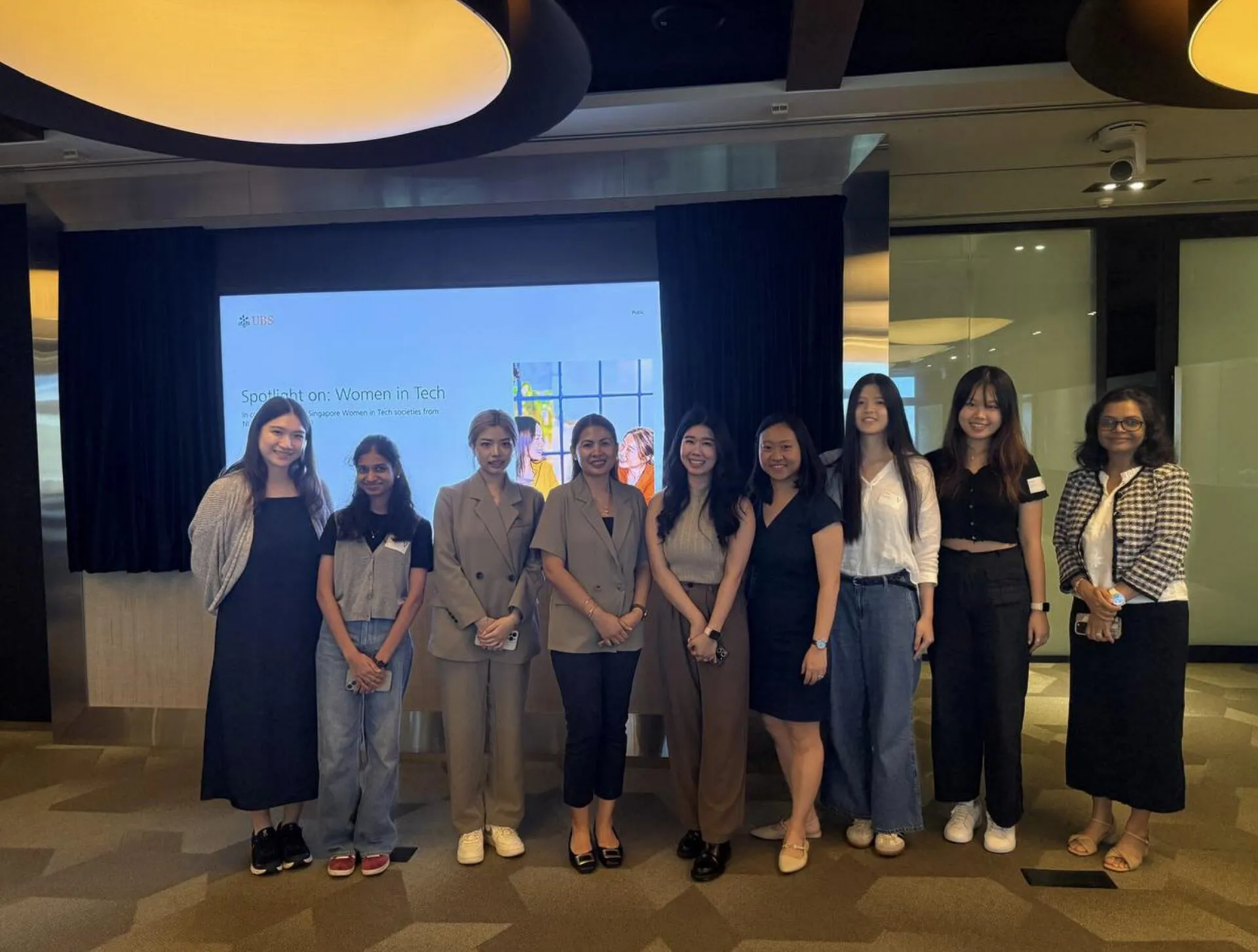
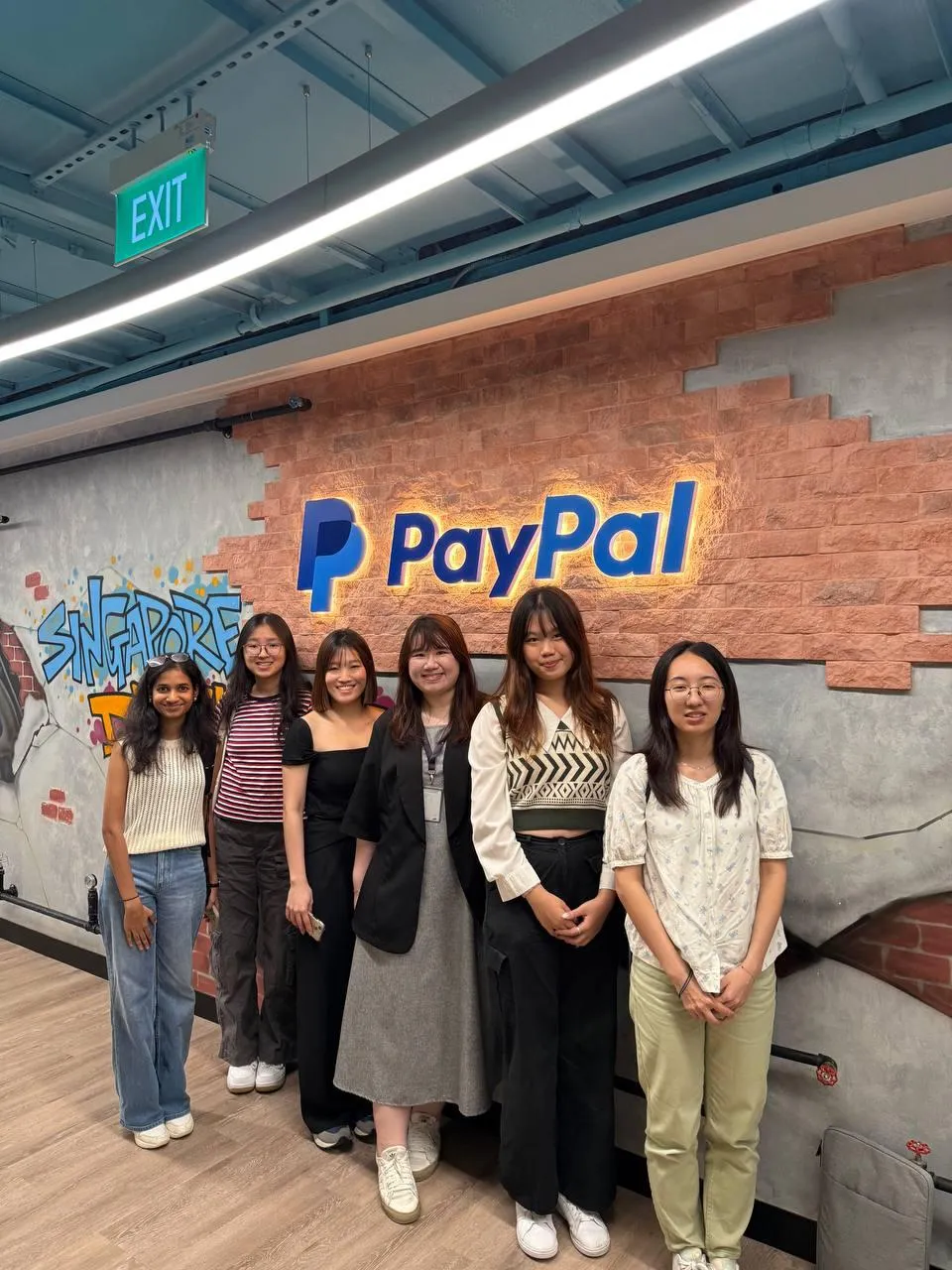
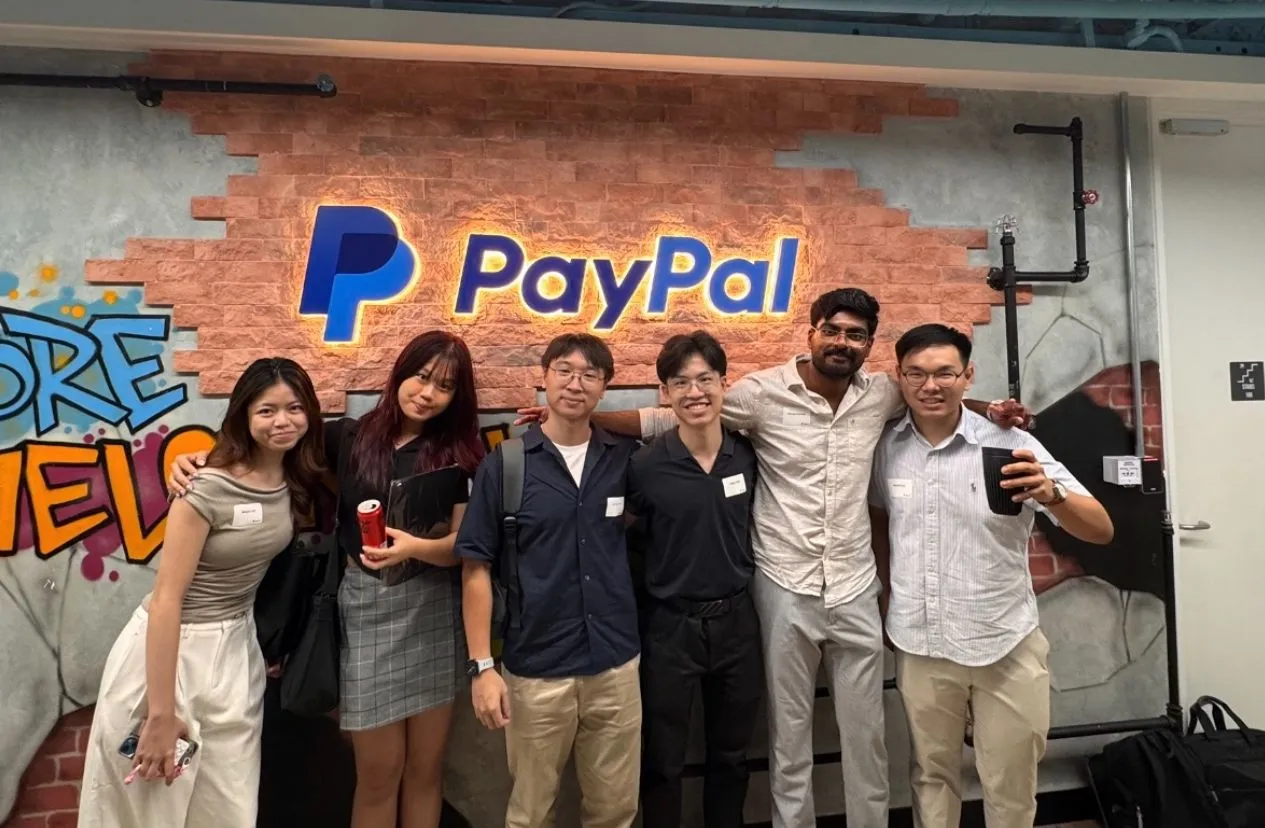
The competitions were exciting, but I kept noticing how few women were on the stage with me. As Project Lead at NUS Women in Tech, I partnered with PayPal, UBS and Morgan Stanley to bring more than 200 female undergraduates into their offices — hackathons, code camps and spotlight days where the engineers presenting looked like the students listening. That work taught me that access is something you build, deliberately, the same way you build software. It's why I later founded NUS' first AWS-affiliated Cloud Club: a community for the students drawn to infrastructure, who had nowhere on campus to find each other.
My first productionsystem had 50+ sensors.
My first internship was at AquaShield, where I built a full-stack product end to end for the people who operate reservoirs, rivers and other water bodies — the ones who need to know about contamination before it reaches the communities and ecosystems downstream. Fifty-plus sensors report around the clock, and I built the path their data travels: the ingestion layer that makes every reading trustworthy, the real-time pipeline that streams it live, and the dashboards where an operator sees risk forming and acts on it. When the system slowed us down, I built the tooling that cut our debugging time by 30%. It was my first time owning a system end to end, and I learnt the importance of reliability and the impact that good systems can make. That same summer, PayPal's Pathways Program taught me what it means to be a good software engineer and showed me how a fintech ships at scale.
A scam-reporting app,and my first LLM eval.
Scams have become one of the most common ways ordinary people lose money, and the hardest part of fighting them is that most go unreported — the process is slow, and by the time one is logged, the same scam has moved on to someone else. At DSTA BrainHack we set out to make reporting effortless: a mobile app and a Telegram bot that meet people where they already are, backed by pipelines I built that used Gemini to summarise reports and catch duplicates, so a pattern spreading across dozens of victims surfaces as one clear signal. It was also the first time I evaluated an AI system properly. A model that sounds confident isn't the same as a model that's correct, so we built the evaluation that measured it — and pushed it to 81% contextual precision. We made it to the finals, and I left with a clearer sense of what it takes to turn AI into something that genuinely helps people.
Then I moved to New Yorkfor a year.
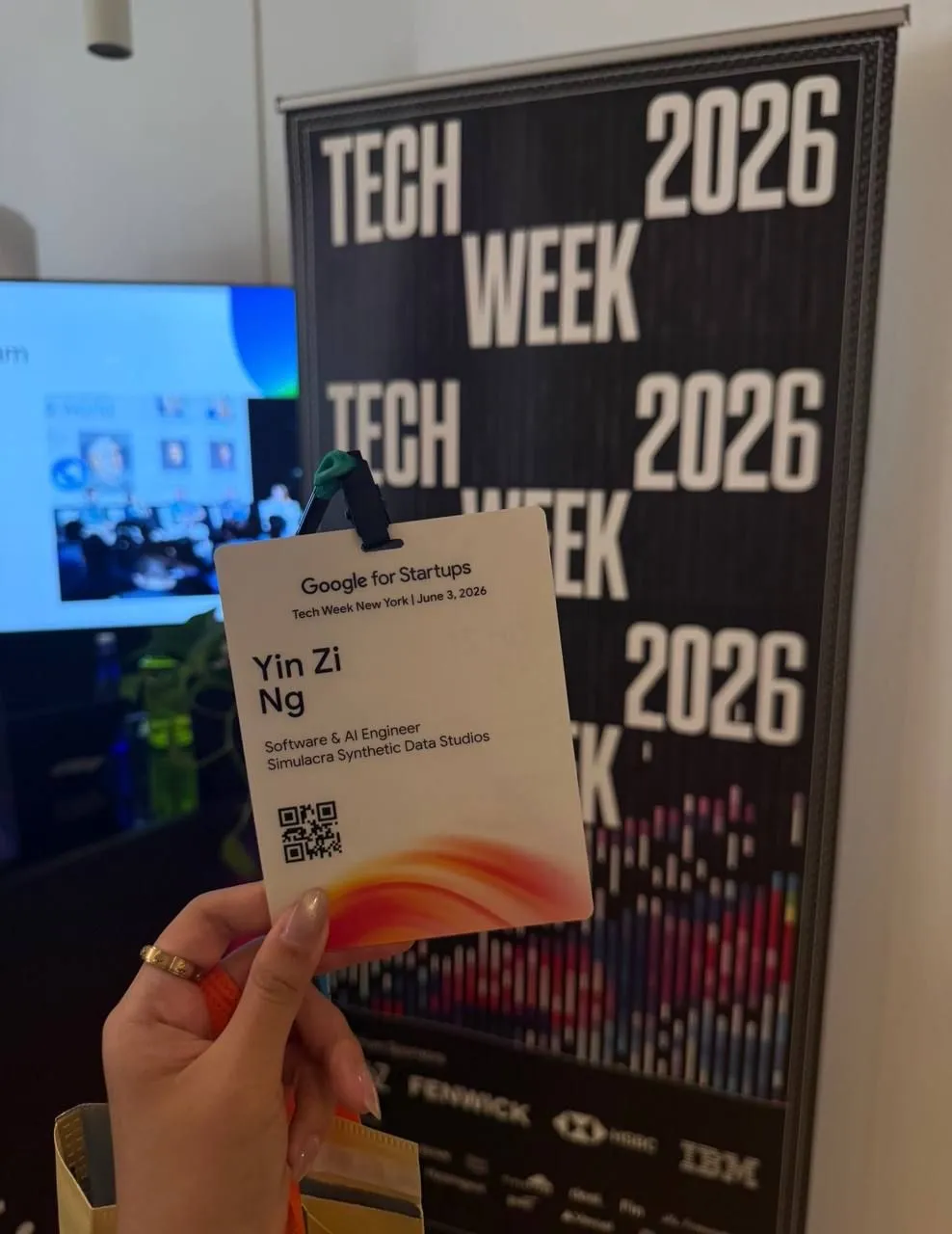
Through NUS Overseas College I joined Simulacra in New York as a Full Stack Software & AI Engineer intern. Simulacra builds synthetic data and causal scenario modelling for consumer-goods companies — Pernod Ricard, Ajinomoto, Walmart — so they can test ideas and understand consumers without waiting months for real-world data. I arrived as a full-stack engineer, shipping and redesigning the product our clients used every day, frontend to backend. As the team trusted me with more, I took on the platform underneath it — keeping a multi-tenant system secure, fair and observable — and then the models themselves: building the validation pipelines that benchmarked our synthetic data, cutting manual validation work by 70%, and turning the results into reports that told clients how much real data they could safely replace. Working directly with clients across the US, France and Japan taught me to be comfortable with ambiguity, to understand the why behind what I build, and that a good AI product is as much about validation and trust as it is about the model.
Now I work on the databehind blockchain security.
Today I'm a Software Engineer Intern on Binance's Infra, AI & Big Data team in Singapore, working alongside engineers across Asia and the US. The team's data underpins how the exchange spots risk: I build Spark SQL pipelines over Hive, Hudi and StarRocks that combine external incident data with our own multi-chain datasets to flag high-risk addresses, and I find and fix the gaps and stale state in production ETL so those signals can be trusted. I'm also building an LLM agent that turns unstructured incident reports into structured, source-backed risk signals that downstream systems can act on automatically. It's the largest data I've ever worked with — and every improvement in coverage or freshness makes it a little harder for bad actors to move funds through the platform undetected.
Then I was askedto tell the story.
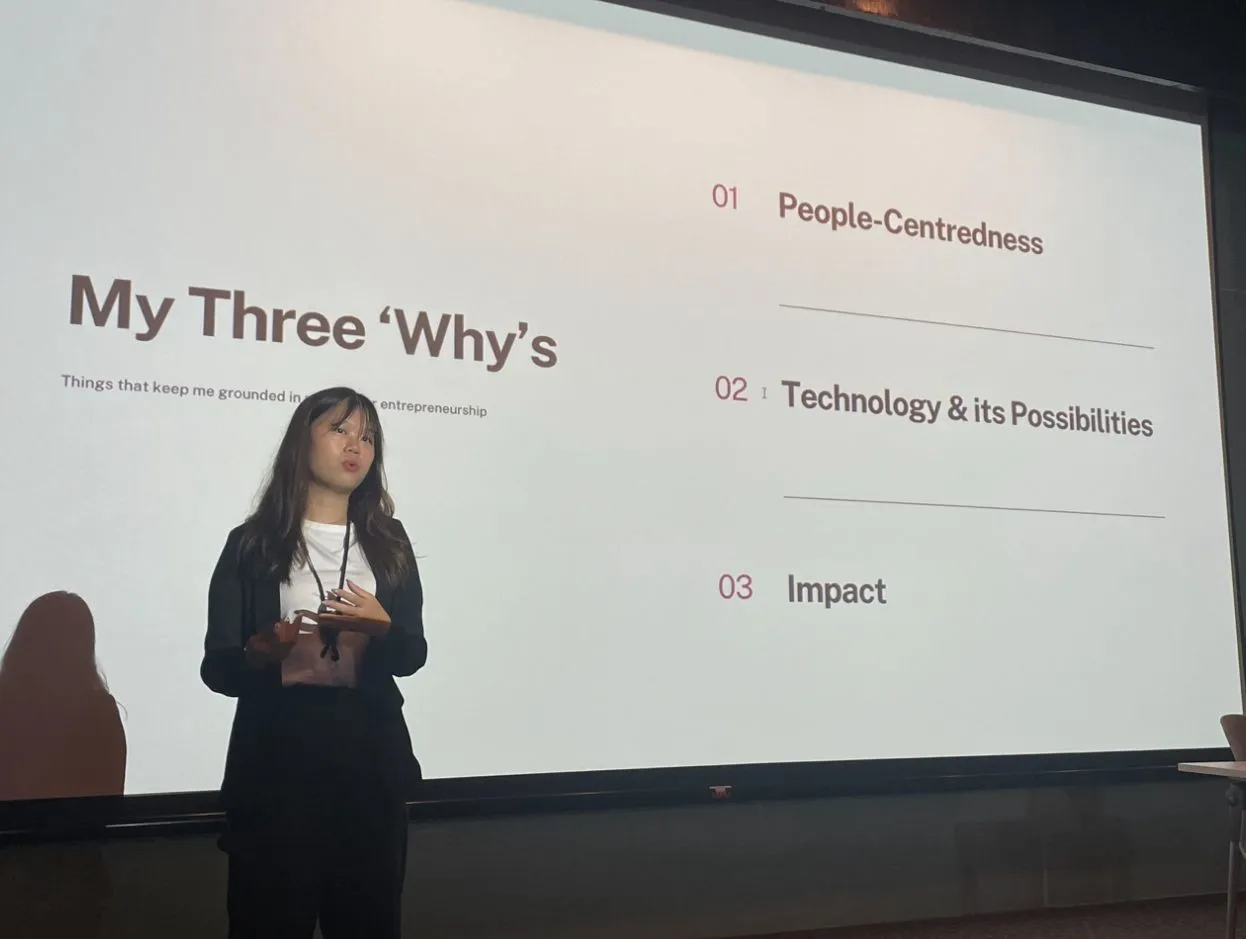
I was honoured to be invited by Professor Edward Tay to speak in postgraduate courses at NUS and share my journey — the wins, the internships, and what building things has taught me. I called the talk "My Three Whys": people-centredness, technology and its possibilities, and impact.